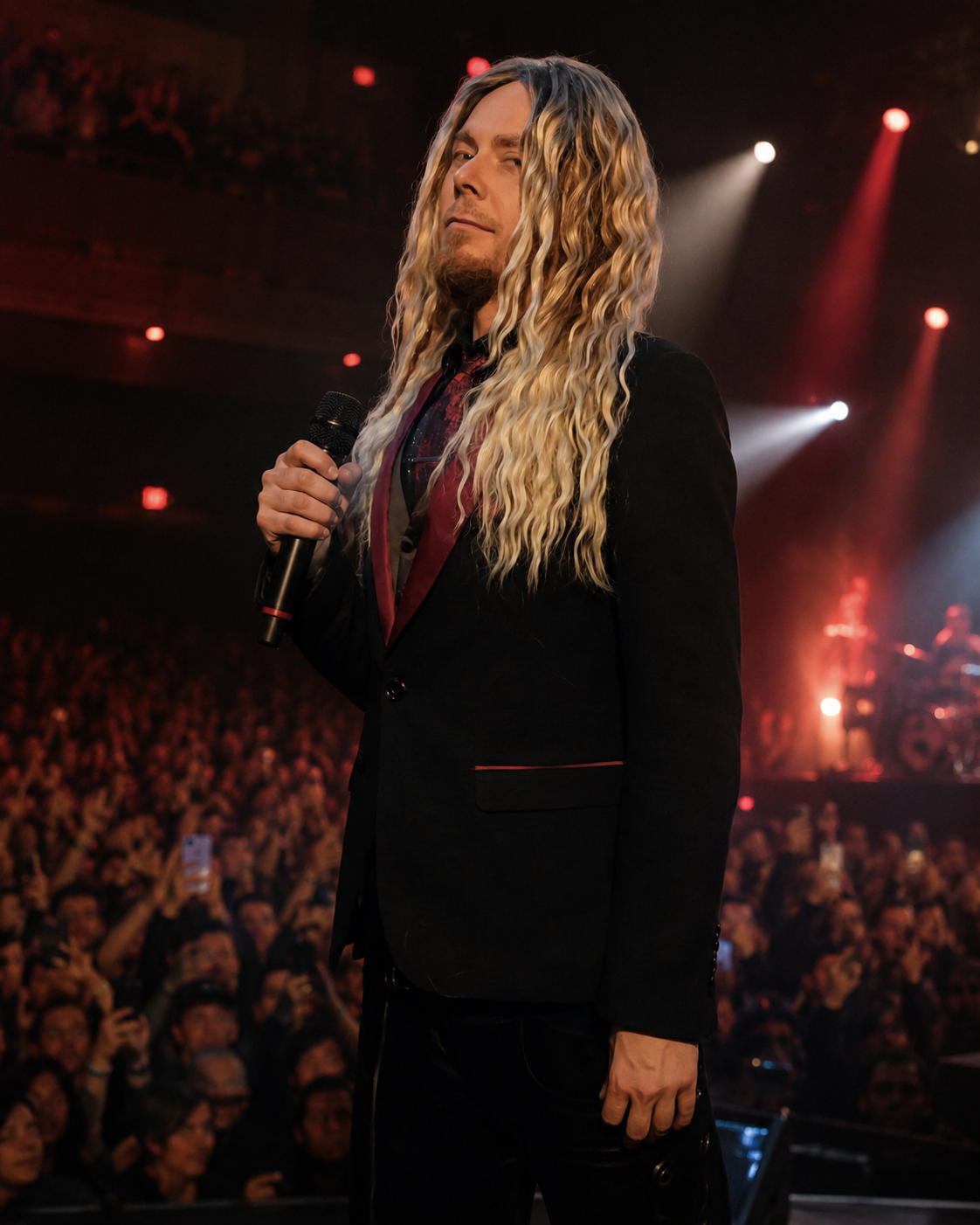
Drew V. holding a microphone on a dramatically lit stage

The human is the instrument.

Human Instrument Method

“Your voice is not the instrument. You are.”

Singing is not a trick performed by the throat. It is breath, body, coordination, recovery, state, and the courage to be heard working as one event. Human Instrument Method trains the person making the sound, not merely the sound they are trying to produce.

BodyBreathStateSound

The Voice Does Not Arrive Alone

A voice does not arrive at practice as a neutral piece of equipment. It arrives carrying the condition of the body, the quality of the breath, the residue of yesterday’s training, the state of the nervous system, and every belief the singer has learned about what they are allowed to sound like.

That is why two people can perform the same exercise and receive entirely different results. The exercise is not the method. The way the human performs it is the method. Human Instrument Method brings those variables back into the room and gives singers practical ways to understand, train, and protect the instrument they already live inside.

Choose Your Path

There is no single doorway into this work. Some people need a clearer way to understand why their voice behaves the way it does. Some need a daily practice tool that adapts to them. Some need another human being to hear what is happening and help them decide what comes next.

Begin with the part of the method that meets you where you are.

Understand the Method

Human Instrument Method begins with the entire person rather than isolating the voice from the body that produces it. The method connects breath, movement, nervous-system state, confidence, coordination, recovery, and sound so that practice becomes more than a collection of disconnected vocal instructions.

The goal is not to spend the rest of your life consciously operating every piece of your voice. Technique is scaffolding. It should eventually become integrated enough that expression can take over.

Explore the Method

Find Your Safe Waters

If you can talk comfortably, you can begin to sing. Voice Compass plays one piano note at a time and helps you find a small range of notes your voice can comfortably match before you choose Scale Builder anchors.

Find My Safe Waters (opens in a new tab)

Build a Custom Practice Track

“Your voice is not static. Your practice track should not be either.”

HIM Scale Builder lets you choose the exercise, anchor range, direction, speed, mode, and metronome, then hear and download a clean piano-reference track built around the voice you have today. It does not pretend to listen to, diagnose, or grade you. It gives you direct control over the work.

Open Scale Builder (opens in a new tab)

DAILY PRACTICE

Voice Navigator™

Build a 14-day practice route, choose the version that fits today's voice, and track what the work gives you back tomorrow.

Explore Voice Navigator

Read the Resurrection Collection

The Resurrection Collection is where the deeper arguments live. These essays examine the gift myth, the shame that follows singers into the practice room, and the central idea behind Human Instrument Method: the voice is not the instrument. The human is.

The collection is not a pile of generic singing tips. It is an ongoing examination of ability, identity, recovery, training, and what becomes possible when an unfinished voice is no longer treated as a final verdict.

Enter the Resurrection Collection

Get a Personal Voice Discovery

Submit one natural, full-body a cappella performance and receive a personal analysis from Drew V., along with a customized Scale Builder regimen and a practical 14-day training plan.

The Voice Discovery is built for singers who need direction, not judgment. You do not need professional equipment, a polished performance, or proof that you deserve help before receiving it. You only need to be willing to be heard honestly.

Voice Discovery Coming Soon.
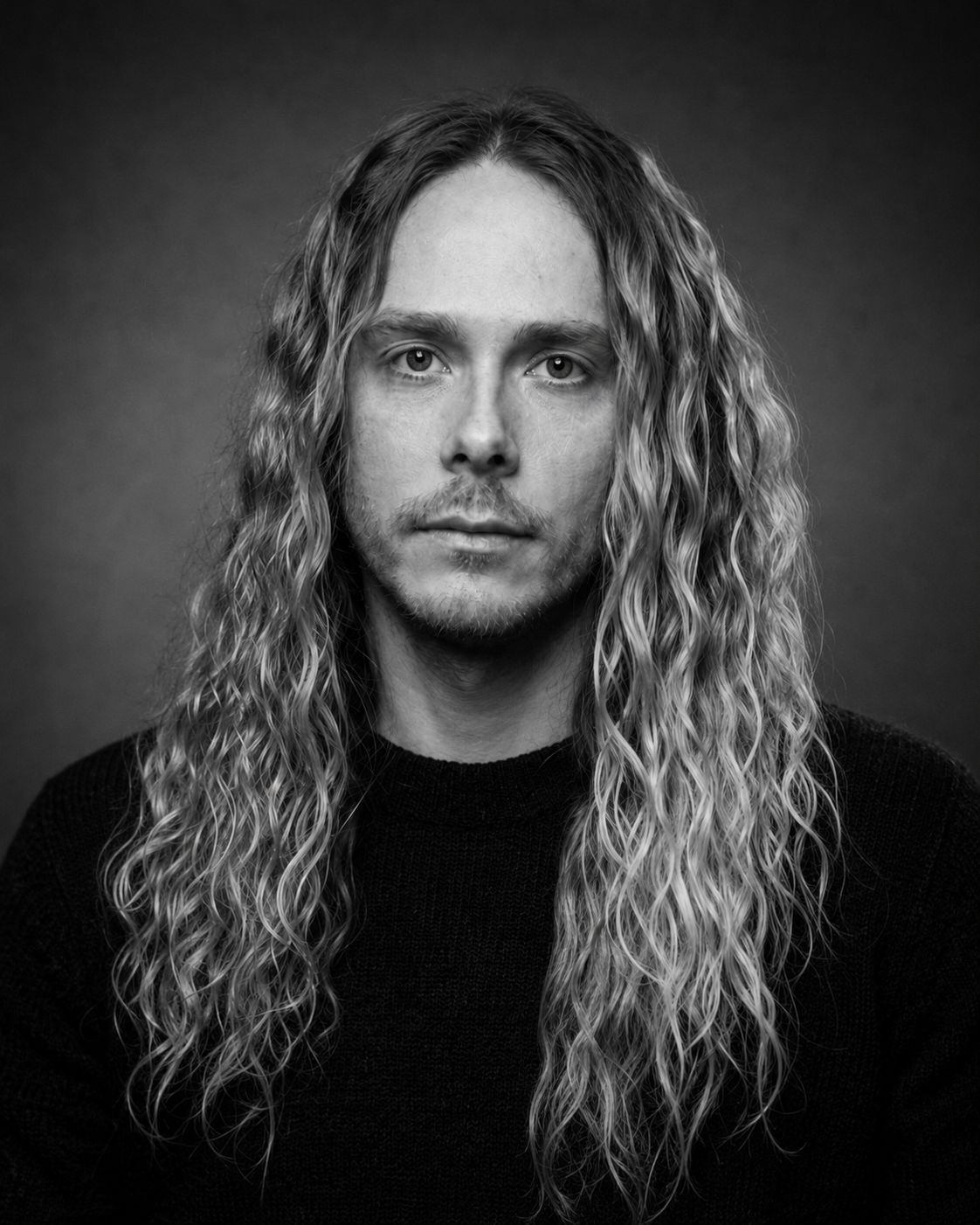
Black-and-white studio portrait of Drew V.

Meet Drew V.

I was not handed a finished instrument. I began with a deep voice, very little usable range, and no reason to believe the sounds I wanted were available to me. Years of experimenting taught me how dramatically a voice can change when body, breath, coordination, recovery, confidence, and state are treated as parts of the same system rather than unrelated problems.

Then I lost my voice for three years. When it returned, I could not treat that return as an accident or a private victory. The experience changed the questions I was asking. Instead of trying to force the throat to obey, I began paying closer attention to the human producing the sound. What changed when the body stopped bracing? Why did one session create progress while another stole tomorrow’s voice? Why did singers physically prepare for a high note as though it were waiting for them on the roof?

Human Instrument Method grew out of those questions. I built it for beginners, returning singers, wounded aspiring singers, and people who were told that the voice they wanted belonged to somebody else. I help people achieve the voice they were told they didn’t have.

Read Drew’s Story
Latest from Drew V.

New writing from the Resurrection Collection explores the ideas behind the method in full: ability, shame, recovery, identity, practice, and the long process of becoming capable of sounds you once believed belonged to somebody else.